Player Migration Patterns Toward Hybrid Live-Streamed Table Experiences at British Operators Entering the Market
Viktor Lange · Sep 14, 2026
Player Migration Patterns Toward Hybrid Live-Streamed Table Experiences at British Operators Entering the Market
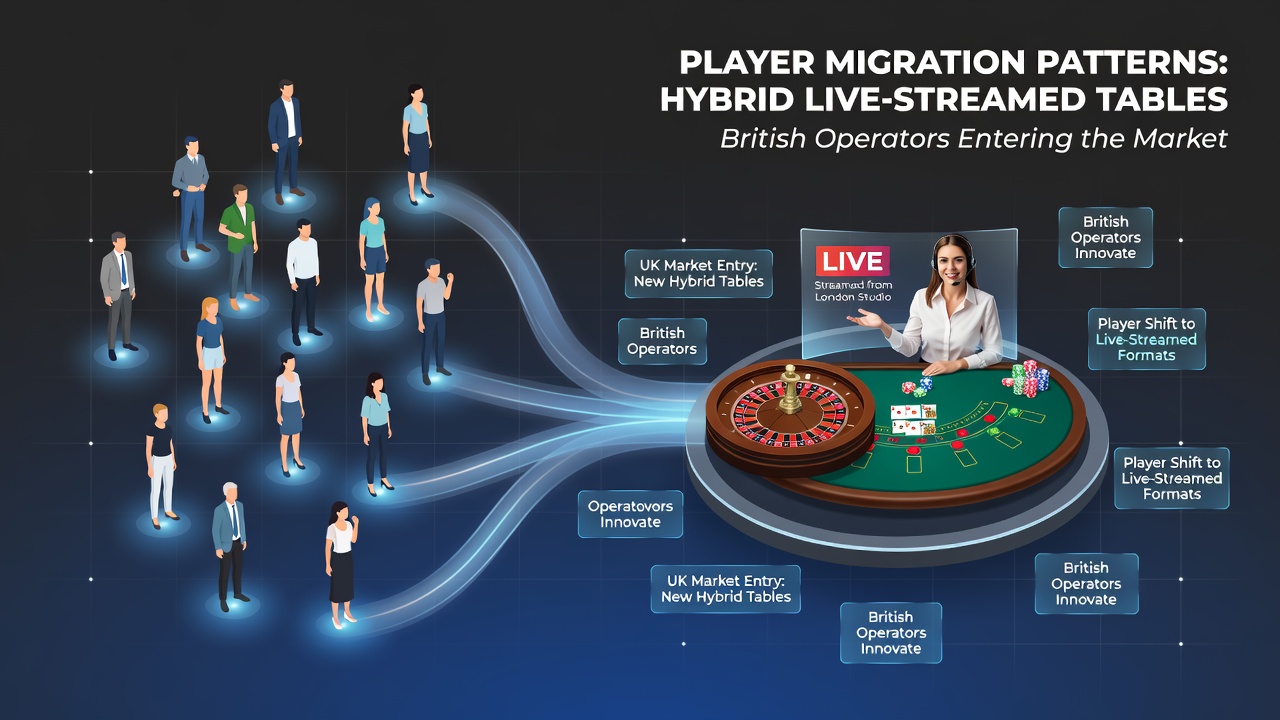
Operators entering the British market have documented steady shifts in player behavior toward hybrid live-streamed table experiences that combine real-time dealer interactions with digital interfaces, and data from multiple sources track these movements across regulated environments. Studies conducted through 2025 and into September 2026 show increased session participation on platforms offering integrated video feeds alongside traditional RNG elements, while participation metrics indicate players often transition from standalone slots or static tables when hybrid options become available.
Tracking Player Movement Across Platforms
Research compiled by industry groups reveals that new British operators report measurable uptake in hybrid table products during their initial market entry phases, and figures from the European Gaming and Betting Association highlight how these formats attract users who previously favored land-based or fully digital alternatives. Players frequently migrate in patterns that align with the introduction of live-streamed blackjack, roulette, and baccarat variants, which incorporate chat functions and multi-angle camera setups that replicate physical casino atmospheres without requiring physical presence.
Analysts note that migration accelerates when operators bundle these experiences with mobile-optimized apps, since accessibility on handheld devices allows seamless switching between live tables and other game types during single sessions. Data collected through platform analytics demonstrate that average dwell times on hybrid tables exceed those recorded on non-streamed equivalents by notable margins, though exact percentages vary by operator size and promotional structures.
Influence of New Market Entrants
British operators launching after regulatory approvals often prioritize hybrid table infrastructure during rollout, and this strategy correlates with observed player inflows from established competitors. Reports from the Canadian Gaming Association indicate similar trends in other jurisdictions where fresh entrants deploy live-streamed features early, resulting in documented transfers of active accounts toward those platforms within the first six months of operation.
One study from the International Gaming Institute at the University of Nevada examined cross-border operator data and found that hybrid offerings serve as entry points for demographics previously underrepresented in table play, including younger adults who engage through social features embedded in the streams. These patterns hold consistent when examined against broader European market statistics, where operators entering regulated spaces replicate comparable deployment sequences.
Technical and Regulatory Factors Driving Change
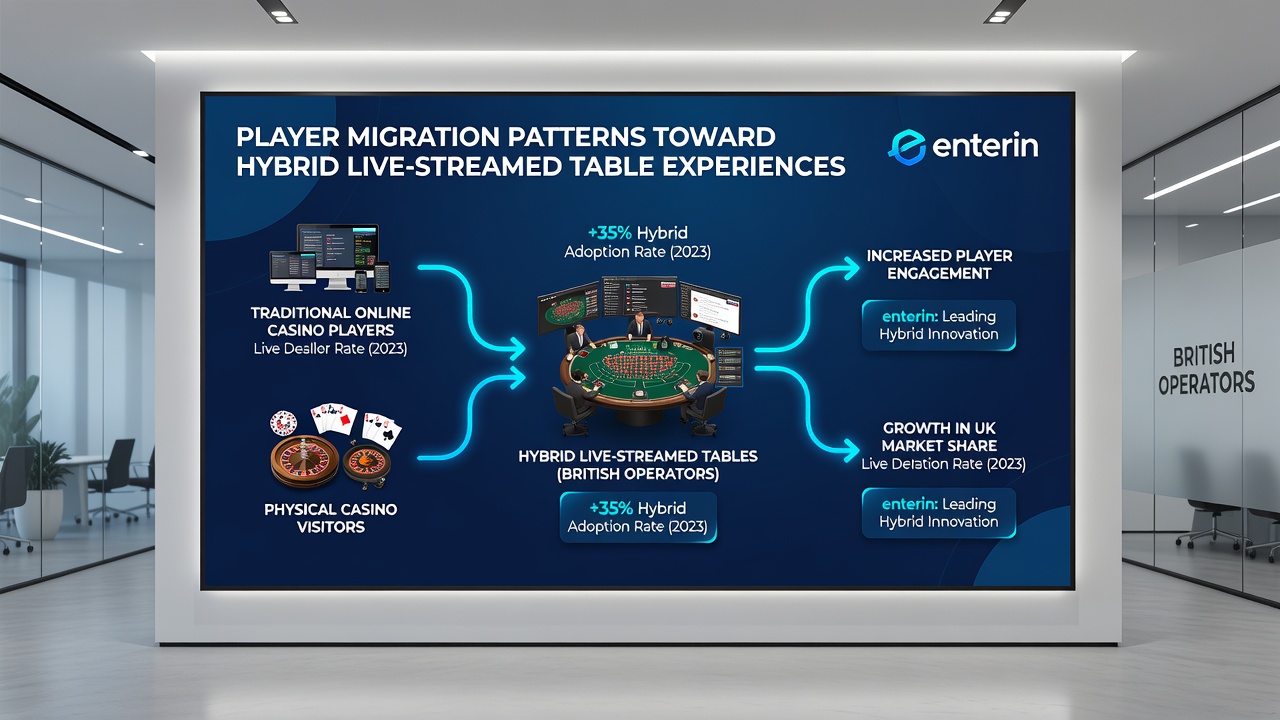
Integration of streaming technology with existing random number generator systems creates hybrid environments that support both automated and dealer-led play, and operators entering the British sector invest in bandwidth infrastructure to maintain low-latency connections that encourage sustained participation. Regulatory frameworks in place by September 2026 require clear separation of live and digital components, which has prompted entrants to develop standardized interfaces that comply while preserving user familiarity.
Payment processing integrations further shape these migrations, since players can move funds between hybrid tables and other sections without exiting the session, and data from academic reviews of platform logs confirm higher transaction volumes during peak streaming hours. Observers note that operators who align these systems with responsible gaming tools experience steadier retention across migrated player bases.
Comparative Data from Adjacent Markets
Patterns observed in Britain echo developments tracked in Australia and parts of North America, where new operators introduce hybrid tables and record corresponding account shifts according to reports from the Australian Gambling Research Centre. Metrics compiled across these regions show that live-streamed elements often draw users away from pure RNG formats at rates that stabilize after initial novelty periods subside.
Industry organizations tracking global operator performance have compiled case examples where British entrants replicate successful hybrid rollouts from Canadian and EU markets, resulting in parallel migration curves that peak within the first quarter following launch. These alignments suggest structural similarities in player preferences that transcend specific regulatory boundaries.
Conclusion
Available data through September 2026 illustrate consistent player movement toward hybrid live-streamed table experiences at British operators entering the market, with documented patterns influenced by technical integration, mobile accessibility, and cross-jurisdictional precedents. Continued monitoring by research bodies will clarify whether these shifts represent temporary adjustments or enduring changes in engagement habits across regulated platforms.